Why UK Animal Welfare Standards Matter to North American Meat Buyers
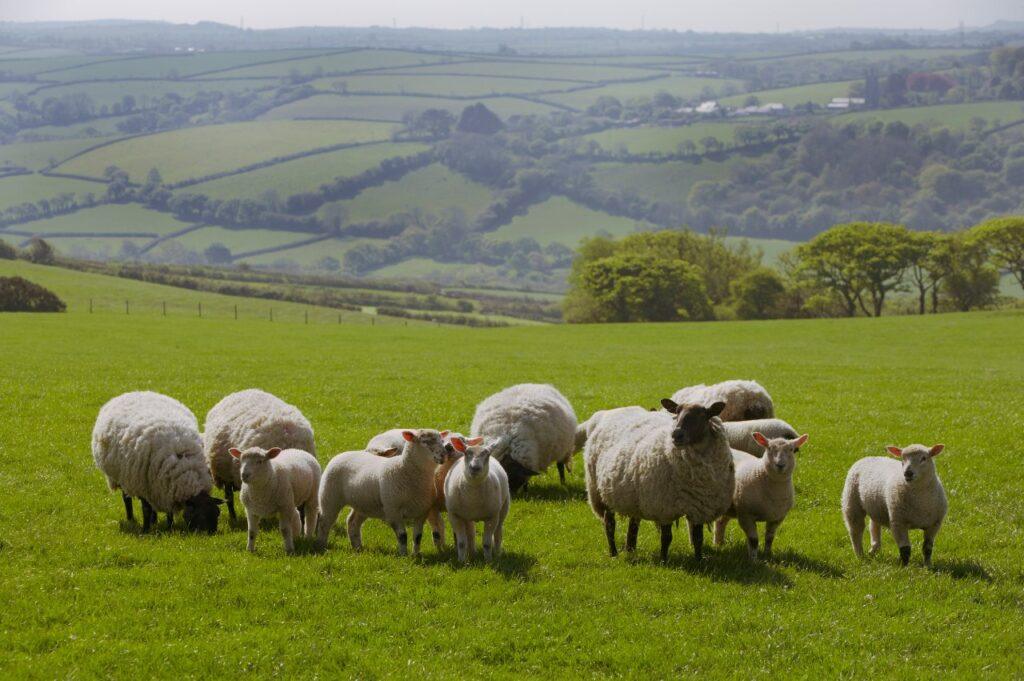
For importers and foodservice professionals in North America, product integrity is non‑negotiable. And when it comes to red meat, animal welfare isn’t just a moral issue, it’s a commercial one. Proven welfare standards help ensure consistency, traceability, and regulatory confidence. That’s exactly where British beef, lamb, and pork stand out.
Regulated Assurance from Farm to Pack
UK farmers operate under some of the most stringent animal welfare standards in the world. These are not just industry best practices, they’re legal requirements, routinely inspected by government agencies like Defra and independent third parties.
At the heart of this commitment is the Red Tractor Assurance program, a trusted symbol of quality and integrity. As of 2023, Red Tractor covers approximately 82% of British beef, 65% of lamb, and an impressive 95% of pork production. This program guarantees:
-
- Responsible use of antibiotics and medicines
- No use of hormonal growth promoters (which are banned in the UK)
- Compliance with strict transport and slaughter protocols
- Full traceability from farm to processing facility
You can review the standards of the program here: redtractor.org.uk/assurance/standard-categories/meat‑processing/
Pasture Raised Systems and Natural Environments
Unlike intensive systems common in some global markets, most UK cattle and sheep are pasture‑raised, spending the majority of their lives grazing. This system aligns with both consumer expectations and international welfare benchmarks.
Sixty-five percent of the UK has permanent grassland or rough grazing. Much of that land is best suited to grazing rather than cropping.
These open‑air, low‑stress environments reduce the risk of disease and injury, which translates to better carcass quality and higher yields.
For pigs, around 40% of British pig production is outdoor bred, a significant figure compared to many competing markets.
That heritage matters for buyers looking for welfare‑differentiated product lines.
Consistency and Commercial Value
Why should importers care? For North American importers, animal welfare isn’t just fundamental, it’s a powerful value driver. British beef, lamb, and pork come from systems designed for consistency, traceability, and trust. Animals raised in low-stress environments deliver uniform carcasses, stable supply, and longer shelf life, reducing waste and ensuring predictable menu performance.
But welfare is more than operational efficiency, it’s a market signal. Today’s consumers demand more than quality; they want responsibly sourced protein that aligns with sustainability, food safety, and responsible antibiotic use. A 2024 NSF study revealed that 67% of US shoppers consider animal wellness very or extremely important when making purchasing decisions. They actively seek transparency about how animals are raised, handled, and transported.
For buyers, this means opportunity. Welfare credentials aren’t just compliance; they’re a competitive edge. In an era of heightened scrutiny and retail audits, partnering with suppliers who can prove their standards positions your brand as a leader in integrity and innovation.