
Traceability in UK Livestock: What It Means for You and Your Customers
For meat buyers in North America, confidence in supply is about more than flavor and consistency. It’s about knowing where the meat comes from, how it’s raised, and whether every step of the chain is accountable.
In the UK, traceability systems for cattle, sheep, and pigs are among the most rigorous in the world. This framework provides peace of mind not just to importers, but to chefs, retailers, and ultimately consumers.
Cattle: Passports and Full Life Records
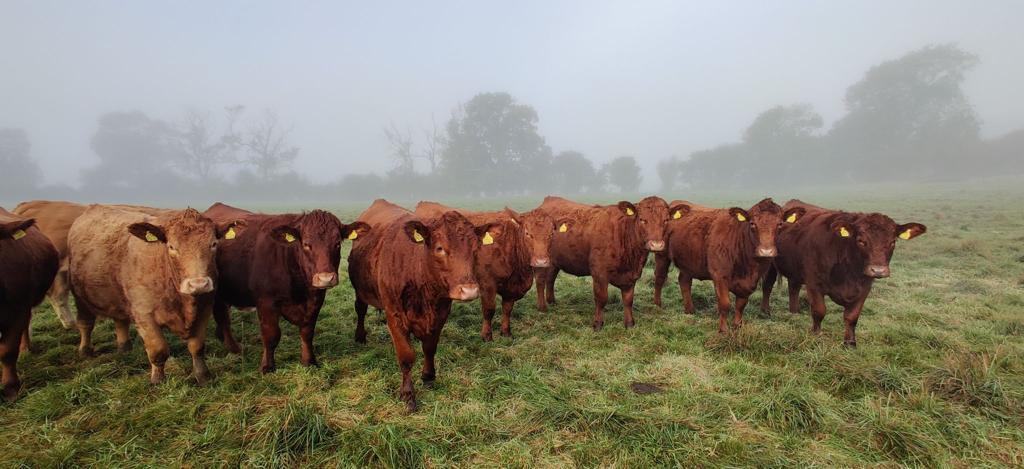
Every cow in the UK is issued a unique ID number within days of birth. This number appears on two ear tags and is recorded in a national database. At the same time, each animal receives a ‘cattle passport’, a paper and digital document that logs every movement the animal makes during its lifetime.
Whether a cow is moved from one farm to another, enters a livestock market, or arrives at a processing plant, the event is recorded. This creates an unbroken record from birth to processing. For buyers overseas, that means full confidence in the integrity of British beef, which is free of hormonal growth promoters and backed by documented history.
Sheep: Electronic Tags and Movement Reporting
UK sheep farmers use either ear tags or electronic identification (EID) tags. These tags carry a unique number for each animal. Movements between farms, markets, or abattoirs must be reported through national systems.
This system ensures that lamb from the UK has reliable data on origin and handling. For importers, this traceability underpins confidence in supply chains, while also helping farmers and regulators maintain high standards of animal health and welfare.
Pigs: Premises Registration and Clear ID
Pigs are traced slightly differently. Each farm or premise that keeps pigs must register with authorities, and animals are identified through ear tags, slap marks, or tattoos. When pigs are moved, both the departure and destination sites record the movement.
This approach makes it possible to track every pig back to its farm of origin. For pork buyers, this means reassurance that every cut is linked to a known and approved supply base.
Why Traceability Matters for Consumers
For restaurants, retailers, and foodservice providers in North America, UK traceability systems mean:
- Food safety – Full records allow rapid action if an issue arises, minimizing risk and protecting customers
- Waste reduction – Clear traceability means fewer recalls and less uncertainty in the supply chain, keeping high-quality meat where it belongs, on the plate, not in the bin
- Sustainable buying – Consumers increasingly want to know that their choices support responsible farming. UK traceability provides proof of welfare standards and production integrity
- Transparency and trust – Customers can see not only what’s on the plate, but also where it comes from
The Bottom Line
Traceability in UK livestock isn’t just paperwork, it’s a cornerstone of trust. From cattle passports to electronic sheep tags and registered pig movements, the UK system supports food safety, reduces waste, and empowers responsible purchasing.
For importers and foodservice providers, this means being able to stand behind every cut with confidence, offering your customers not just great flavor, but a story of quality, responsibility, and trust.

 Photo by Michael Hamments/ Unsplash