British Livestock Farming: Generations of Local Knowledge, Strengthened by Modern Innovation
When American buyers source British beef, lamb, or pork, they are connecting with more than a supplier. They are connecting with landscapes shaped over centuries, and with farmers whose knowledge of their local land has been refined and passed down through generations.
From the rugged Pennines to the fellside pastures of the Lake District and the rolling grasslands of the South West, livestock farming is deeply regional. What works on the windswept hills of Cumbria will not work in the sheltered valleys of Devon.
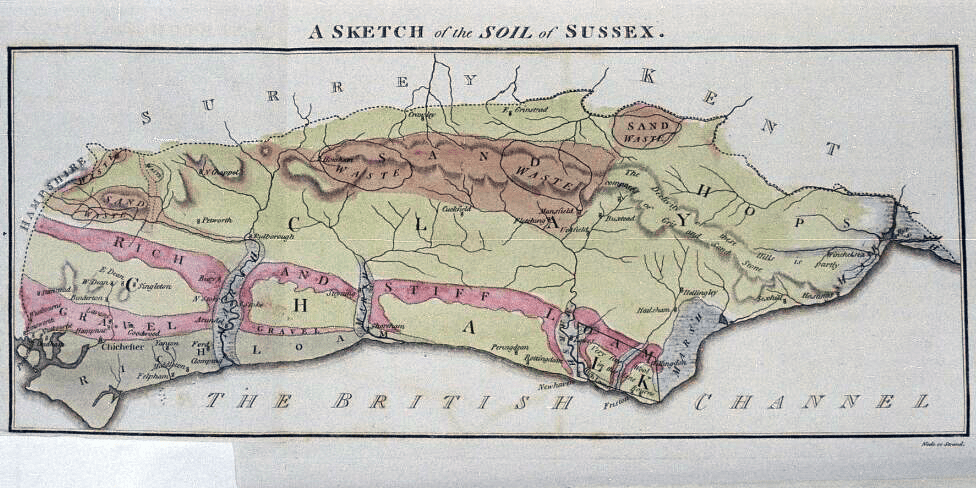
Soil type, rainfall, native grasses, altitude, and even sea air influence how animals are raised. British farmers adapt their systems to these microclimates, selecting breeds suited to local terrain, timing grazing to match grass growth, and managing pasture in ways specific to their ground.
This hyper-local expertise is not theoretical. It is practical, inherited knowledge:
- When to move cattle to fresh pasture
- How to protect soil during wet winters
- How to balance forage quality to support steady weight gain
It is why permanent pasture remains central to British red meat production. Grazing livestock help maintain grasslands that protect soil structure, support biodiversity, and sustain rural landscapes.
That depth of land-based knowledge translates into consistency. Animals are raised in systems designed around natural forage cycles and regional strengths, not one-size-fits-all models.
Innovation Rooted in Experience
At the same time, British livestock farming is not static. It blends heritage with the latest innovations, for example:
- Genetic improvement programs—that enhance feed efficiency, growth rates, and eating quality while maintaining breed integrity
- Electronic identification and full-chain traceability systems—that allow livestock to be tracked from birth through processing
- Data-driven pasture management—including soil testing, grass measurement tools, and rotational grazing strategies to optimize forage use
- Precision nutrition planning—ensuring animals receive balanced diets tailored to life stage and production goals
- Investment in modern processing facilities—delivering accurate cut specification and export-ready formats
The result is meat that performs reliably in professional kitchens.
- British beef is a natural source of high-quality protein and is rich in vitamin B12, iron, and zinc.
- British lamb is naturally lean and provides vitamins B6 and B12, which support the normal formation of red blood cells.
- British pork is high in protein, and around 40% of British pigs are outdoor-bred.
A Landscape You Can Picture
Imagine green fields bordered by ancient hedgerows, flocks moving slowly across hills that have supported livestock for hundreds of years, and cattle grazing on pastures nourished by steady Atlantic rainfall. These are not marketing images and they don’t only exist on Downton Abbey—they are a daily reality for British farming.
If you’re looking for supply partners, British meat offers a clear, verifiable story grounded in land stewardship and measurable standards. Find a supplier.
Questions?
We’re always happy to help. Fill out the form on our contact page and we’ll get back to you.